Our Expert Guide to Brachycephalic Dogs
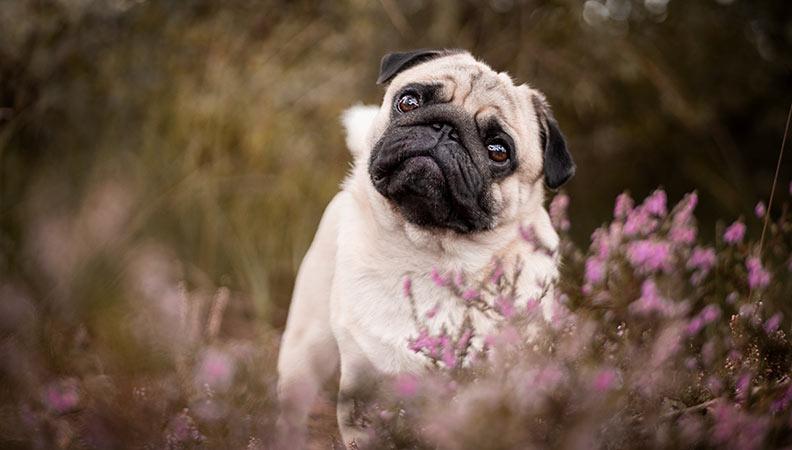
There's no denying that Brachycephalic dogs are cute as a button, who doesn't love a good squidge with a cuddly Bulldog or a jump around with an excitable Boxer?
But those charming chops come at a cost. Over the past few hundred years, humans have bred dogs specifically for certain traits, such as a flat-faced appearance. This has left flat-faced dog breeds prone to a respiratory condition called BOAS (brachycephalic obstructive airway syndrome).
If you have a brachycephalic dog breed and are concerned about brachycephalic syndrome in dogs, make an appointment with your vet, who can assess your pet and guide you on your dog's specific risks.
So, which dogs in particular are at risk of suffering from this syndrome? Are there symptoms? And what exactly does this all mean? Let's dive deeper into Brachcephalic pets and pups.
What is a Brachycephalic Dog?
Brachycephalic dogs, meaning those with a flat-faced appearance, are more likely to experience certain health issues.
"Brachy" means shortened, and "cephalic" means head, so the term brachycephalic describes the anatomy of flat-faced breeds. In these breeds, the shortened faces can lead to brachycephalic obstructive airway syndrome in dogs (BOAS) because the shortened face affects the airways.
You can get Brachycephalic cats and Brachycephalic rabbits too, so it's not just a breeding trait of dogs. Although, we are focussing specifically on the pooches right now, so which breeds of dog Brachycephalic?
Examples of Brachycepahlic Dog Breeds
Some breeds with a short-nosed variation can also suffer from BOAS (like the Chihuahua). But, usual Brachycephalic breeds include:
- Affenpinscher
- Boston Terrier
- Bulldog
- Boxers
- Cavalier King Charles Spaniel
- Chow Chow
- French Bulldog
- Pug
- Sharpei
- Shih Tzu
What Causes Health Problems in Brachycephalic Dogs?
Affected short-nosed dogs, or brachycephalic breeds, often experience everted laryngeal saccules, an elongated soft palate, a narrowed trachea, narrowing of the nostrils and nasopharyngeal collapse. This leads to airway obstruction and interferes with breathing.
The more significant the anatomical defects, the worse the brachycephalic dog symptoms, with severely affected dogs showing marked respiratory distress. With such changes of anatomy, there's also an increased risk of acid reflux in brachycephalic dogs.
Why Do Brachycephalic Dogs Overheat?
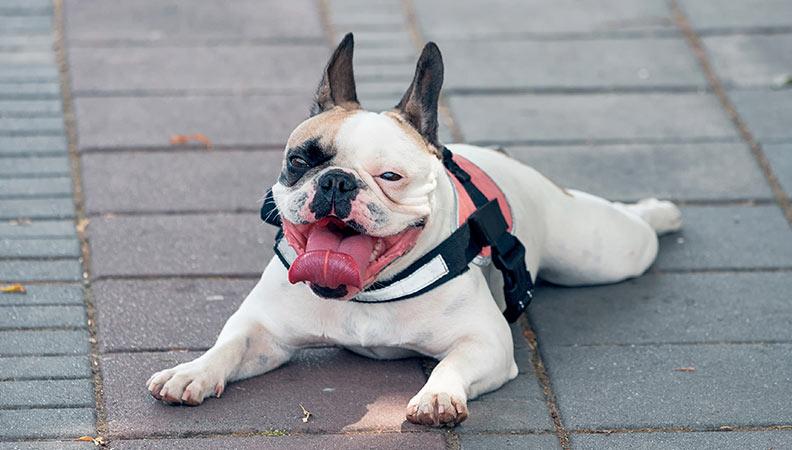
The nasal cavity has an extensive blood supply, which is an important part of the cooling system in dogs. Brachycephalic dogs have a reduced surface area to allow heat transfer due to the shortening of the nasal cavity.
Affected dogs usually have smaller nostrils and often breathe through their mouths. These factors combined mean that, after exercise and in warm weather, they can struggle to cool down, so brachycephalic breeds are much more likely to overheat.
Many affected dogs struggle to exercise, and this can lead to weight gain, which further exacerbates the condition.
How Will My Vet Diagnose BOAS?
Your vet may suspect BOAS based solely on the breed. They'll do an initial examination, visually inspecting the structures that are visible. If you're concerned about the examination, your vet is likely to advise further tests.
The tests to diagnose BOAS in brachycephalic dogs include blood tests, an exercise test, laryngoscopy/endoscopy to visualise the airways, X-rays and CT scans.
This information provides a more detailed assessment of where your dog may be experiencing problems and the extent of the issue. This gives your vet a full picture to then determine the best treatment plan for treating the BOAS.
How is BOAS Treated?
Brachycephalic dog treatment depends on the degree of anatomical abnormalities. Overweight dogs will benefit from weight loss. Dietary regimens are included in most BOAS management treatment plans for dogs with an elevated body condition score.
If your pet is struggling with any gastrointestinal issues, then medication, such as drugs to reduce stomach acid production, may be needed.
Brachycephalic Dog Surgery
Surgery involves opening the nostrils and removing excess tissue in the airways that is obstructing and restricting airflow. BOAS surgery is highly specialised surgery, and the anaesthetic carries a higher risk, so your vet may want to refer you to a specialist for the procedure.
Surgical correction usually leads to a significant improvement in quality of life. If your dog is registered with the Kennel Club, any corrective surgery should be reported to the organisation.
What is the Brachycephalic Dog Life Expectancy?
If caught early, surgery can slow down or prevent the secondary changes that occur. If left untreated, irreversible secondary changes can further compromise the airway, worsening the condition.
Can BOAS Be Prevented?
BOAS is an inherited condition, so prevention involves intentionally not breeding from affected dogs or those with BOAS in the family line. BOAS is a significant welfare issue, so it's responsible and kind to try to reduce its prevalence and severity in affected breeds.
Dogs that have had corrective BOAS surgery should not be bred from. The Kennel Club/University of Cambridge Respiratory Function Grading Scheme (RFG) rates the degree of conformational abnormalities and their impact on respiratory function, and is an indicator of whether individuals are suitable for breeding.
When acquiring a puppy, it's advisable to use breeders who have had both parents' health tested, as the puppies are at lower risk of developing BOAS.
Caring for Brachycephalic Dogs and Spotting Signs of BOAS
BOAS is a serious and debilitating condition affecting brachycephalic breeds. Not all flat-faced breeds will be affected, but if you own a flat-faced dog and are at all concerned, arrange a check-up with your vet for peace of mind.
Ensuring that your dog stays at a healthy weight is crucial, and any breathing changes should be checked immediately. Early intervention reduces secondary changes and improves outcomes. With proper care, an affected dog can often lead a long and happy life.
Everypaw Dog Insurance
Everypaw's Dog Insurance comes with 24/7 unlimited access to vets and vet nurses that can help with your pet's health, care, nutrition and behaviour. So you can rest assured your pup will be well looked after.
Content provided from Vetstream's Vetlexicon Canis
Vetlexicon is the world’s largest peer-reviewed online clinical reference source. All our content is written and peer-reviewed by over 1,000 of the world’s leading veterinarians, ensuring relevance, accuracy and quality.
- Johnson L, Sammarco J, Gert ter Haar G & Liu N C (online) Brachycephalic obstructive airway syndrome (BOAS). In: Vetlexicon Canis. Vetstream Ltd, UK.
- McAlinden A B, Ladlow L & Fear Free (online) Brachycephalic obstructive airway syndrome (BOAS). In: Vetlexicon Canis. Vetstream Ltd, UK.


