Everything You Need to Know About Sore Hocks in Rabbits
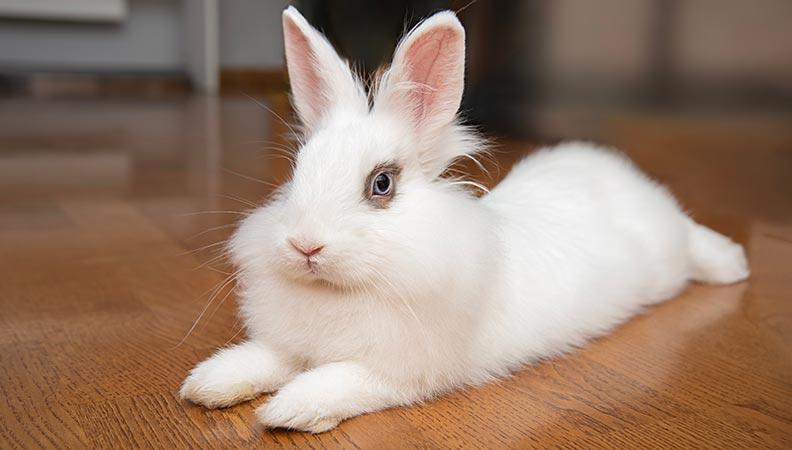
The hock area is part of your rabbits back foot. Sore rabbit hocks (pododermatitis) can be a common problem, but it’s usually a problem that can be avoided by making sure your rabbit has plenty of clean, dry and comfortable space to move around in.
If you want to know more about rabbit sore hocks, or have questions such as how do rabbits get sore hocks? Can sore hocks kill rabbits? And how to treat sore hocks in rabbits, then read on.
What Are Sore Hocks in Rabbits? (Pododermatitis)
Pododermatitis is just a fancy way of saying “inflamed foot”. Pododermatitis is essentially a pressure sore. Inflammation occurs on the bottoms of their feet, where they make contact with the ground, and there is pressure on the hock.
Bacteria can gain access via the damaged skin and affect other tissues, including tendons and can even cause incredibly painful bone infections. Ulcerative pododermatitis is the name used when the skin has been broken or damaged.
What Causes Sore Hocks in Rabbits?
The back feet are usually affected, since they support the majority of the rabbit's weight, though the front feet can also be affected. Any situation that increases the pressure on any part of the rabbit’s foot is a risk factor for pododermatitis.
Giant breeds (such as the British Giant Rabbit) are more at risk of developing sores as they’re heavier and the same applies to overweight or pregnant inactive rabbits.
Poor conformation, a spine issue or leg injury may lead to increased weight-bearing on a specific foot. Pain, such as arthritis, may lead to the rabbit not moving evenly and weightbearing abnormally.
Elderly rabbits that become inactive may bear weight abnormally. If claws become overgrown then the rabbit will bear more weight on the back of the feet, increasing the risk of
Grooming Your Rabbits' Feet
Other factors may also increase the risks, like removal of the thick fur, by shaving or clipping, from the base of the feet removes protection.
Rex rabbits have less skin protection than other breeds due to their lack of guard hairs and thinner coat. Abrasive or wire flooring may damage feet and increase the risks of infection.
Wet or soiled bedding/litter and poor hygiene results in wet skin, which is more likely to be damaged or breached by bacteria.
Is Pododermatitis Painful to Rabbits?
Pododermatitis is painful, but rabbits are masters at hiding their discomfort. Look out for signs such as reluctance to move, reduced appetite, teeth grinding, depression or aggressive behaviour.
Pain due to tissue damage and infection can lead to less mobility and a vicious cycle in which the condition worsens. Left untreated this condition may be fatal. Pain can lead to anorexia and gut problems and if infection spreads to the rest of the body, then sepsis may occur. Any rabbit with sore hocks should receive veterinary care ASAP.
Sore Hocks Treatment
It's essential to identify and address any underlying causes, especially regarding clean, dry, soft bedding. Affected rabbits need proper care and lots of TLC.
- Diet: Your vet can advise you regarding feeding, especially if your rabbit needs to lose weight, as this must be done very carefully to avoid gastrointestinal and liver problems.
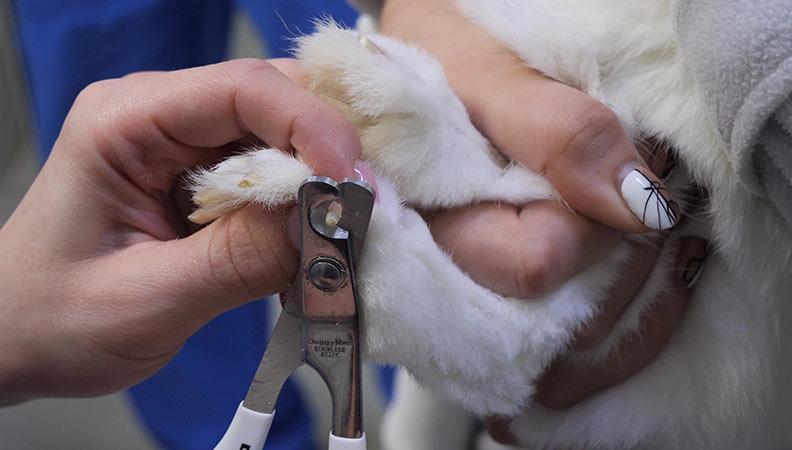
- Nail clipping: Regular nail trims are essential, and your veterinary team can assist with these until you feel confident to do them yourself.
- Foot care: Feet must be clean and dry.
- Ointment: Your vet may provide topical ointments for you to apply at home. Some rabbits may benefit from dressings, although many rabbits won't tolerate them.
- Pain medication: Pain can cause rabbits to have life-threatening gut problems, so it's important to get this medicine into them.
Managing Sore Hocks in Rabbits
Sore hocks, or pododermatitis, require ongoing management and environmental adjustments to promote healing and prevent recurrence.
The treatment of sore hocks in rabbits begins with identifying and removing the root cause - this often means replacing hard or abrasive flooring with soft padding, fleece, or straw. Providing soft bedding in all resting areas helps reduce pressure on the hocks, and keeping the enclosure dry and hygienic supports recovery.
Some mild cases of sore hocks in rabbits respond well to home remedies, such as gently cleaning the feet with a vet-approved antiseptic and applying barrier creams or ointments. For owners seeking natural treatment, soothing herbal balms can be helpful, but only under veterinary guidance.
More severe or infected hocks will likely require prescription antibiotics, pain relief, and sometimes bandaging. Keeping your rabbit's nails trimmed is also essential, as long nails can alter posture and increase pressure on the back feet.
How to Prevent Sore Hocks in Rabbitsk
To reduce the risk, clean any soiled/wet litter daily and encourage exercise. Ensure that your rabbit has a good, veterinary approved diet and an appropriate environment in which to live so that they're not overweight and have healthy bowels.
Avoid improper flooring, hard or abrasive surfaces in your rabbit's environment. Do not clip the fur from the hocks. Try to avoid stressing your rabbit as nervous rabbits traumatise their back feet when they stamp!
Hock sores can be a very serious condition in pet rabbits. However, it's usually possible to prevent sore hocks by being attentive to your rabbit's enclosures, keeping them clean and dry, and ensuring your rabbits have plenty of space to run and explore. Check their feet regularly for the signs of pododermatitis in rabbits.
Other Common Foot Conditions in Rabbits
Alongside sore hocks, rabbits can suffer from several other foot-related problems that may affect their mobility, comfort, and long-term well-being.
Arthritis
One of the most common issues in rabbits is arthritis, especially as they age or become overweight. Signs of arthritis in rabbits include stiffness, reluctance to hop, and general slowing. These subtle signs can cause uneven weight distribution on the bottom of the feet, putting extra pressure on specific areas.
This pressure may cause rabbits to develop pododermatitis, which is an inflammation of the skin on their feet. Over time, if not managed properly, this can progress to ulcerative pododermatitis, more commonly known as bumblefoot.
Bumblefoot
So, what is bumblefoot? It's a painful condition characterised by open sores, swelling, hair loss, and, sometimes, infection that can affect the deeper tissues of your rabbit's feet.
Triggers for bumblefoot include wire flooring, wired cages, or surfaces without soft bedding. These can damage the delicate skin on your rabbit's feet and lead to sores, especially in Rex rabbits, who lack the extra fur protection other breeds have. Constant exposure to wet or soiled bedding further increases the risk.
Fractures
Injuries like foot fractures in rabbits, broken rabbit feet, or broken legs can also result in imbalance or limping in rabbits. If you notice your rabbit limping, hopping unevenly, or showing signs of discomfort, seek veterinary care immediately.
To prevent sore hocks and other foot conditions, ensure your rabbit lives on soft, dry flooring, receives regular foot checks, and eats a diet that helps them maintain a healthy weight. Catching issues early and addressing them promptly helps keep your rabbit happy, healthy, and mobile.
Everypaw Rabbit Insurance
Here at Everypaw, we want to help you keep your bunny healthy and in tip top shape. So, when it comes to your rabbit’s care, Everypaw’s Rabbit Insurance could be just the cover to look after your little thumper.
Content provided from Vetstream's Vetlexicon Lapis
Vetlexicon is the world’s largest peer-reviewed online clinical reference source. All our content is written and peer-reviewed by over 1,000 of the world’s leading veterinarians, ensuring relevance, accuracy and quality.
- Vetstream Ltd & McKeever F (online) Ulcerative pododermatitis (Bumble foot) In: Vetlexicon Lapis. Vetstream Ltd, UK.


