The Crazy World of Dog Zoomies
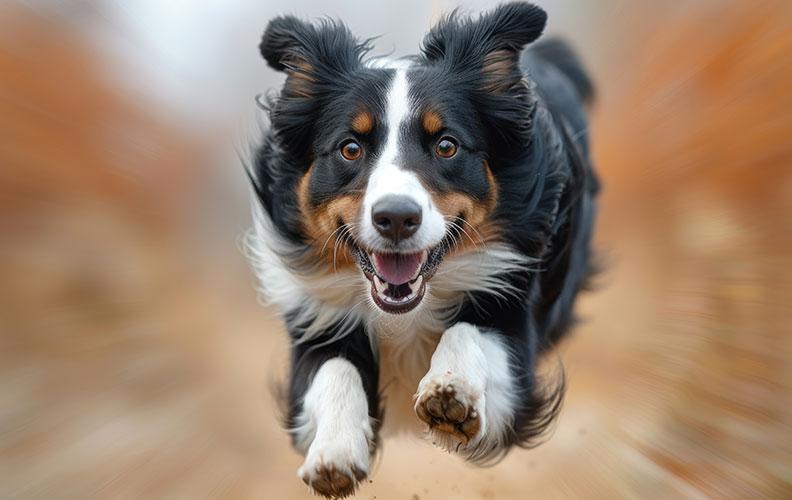
If you've witnessed your dog having an explosion of energy, running and spinning around like a tornado, you're likely left wondering what in the world is going on! These comical dog performances, which you've most likely seen on socials, are called zoomies!
Dog zoomies can happen anywhere, any time and for a variety of reasons. But what do you do when they decide they want to turn the living room into their own personal race track? Here's everything you need to know to get you clued up on dog zoomies.
What Are Dog Zoomies?
Zoomies – also known as Frenetic Random Activity Periods (FRAPs) – are short, explosive bursts of energy where your dog may run around like crazy in circles, usually with their backend tucked in.
Your dog may also do mad laps around the garden/house or spin in small circles to chase their tail. Typically, zoomies last only a few minutes at most.
Although zoomies are common across all ages and breeds of dogs, not all dogs do them. Breed traits, play habits, daily exercise, mental stimulation and specific situations are all contributing factors. Zoomies are more common in puppies and young dogs and generally occur less as they get older, as the behaviour is outgrown. But many older dogs still enjoy the occasional zoomie!
Why Do Dogs Get Zoomies?
Zoomies are a completely natural dog behaviour caused by a build-up of excess energy. They can be a sign that your dog needs more exercise and mental stimulation. But they can just be a sign that your dog is happy about a certain situation or life in general!
Some dogs will have a zoomie at the most inconvenient time, like when it's time to go home from the park. In these situations, the cause is likely avoidance and wanting to get in a little more play time before they leave.
Are Zoomies a Sign of a Happy Dog?
Zoomies aren't always a sign of a happy dog. They can be caused by stress, anxiety, fear or pain. Stressful situations, like a visit to the vet, can trigger a zoomie due to an adrenaline rush and the need to release all that pent-up nervous energy.
You'll be able to tell if your dog is upset or having fun from their body posture. A happy, playful dog will be loose, wiggly and bouncy, and they may have their tongue out and will do play bows. A frightened dog will be tense, wide-eyed, and have its tail tucked under tightly. Their head may be low, and their ears folded back submissively.
If your dog displays these signs, try to calm them down from this unhappy frenzy. Speak gently to them and encourage them to come to you. Try to work out the cause of their distress and remove them from it if possible. Speak to your vet if your dog appears to be in pain, frightened or anxious, and you're unsure what's causing their distress.
Why Do Dogs Get Zoomies After a Bath?
Post-bath zoomies are common. Your dog may be celebrating, relieved to be out of the tub, or trying to dry off. A heavy, wet coat feels uncomfortable—hence the wild rubs and speedy sprints.
Other common dog zoomie moments:
- Arrivals: Many dogs zoom when their person comes home or a guest arrives—pure excitement and happy greetings. You might see spinning, bowing, or quick laps around furniture as they rally the household.
- Bedtime: A quick pre-bed blast helps some dogs burn off the last of the day's energy. Providing a short, calm sniff-walk beforehand can reduce the nighttime burst.
- Dinner time: Food-motivated dogs may rev up before or after meals due to anticipation; some also rub their muzzle on the floor after eating. Scatter-feeding or puzzle bowls can channel that energy constructively.
- Playtime: High-energy play can tip into zoomies when arousal peaks. Insert brief pauses or cue "settle" to avoid collisions or overexcitement.
- Training: Focused sessions can build nervous or excited energy that your dog releases with a sprint. Short, upbeat reps with frequent breaks help keep arousal in check.
Most dog owners tend to witness zoomies at similar times of day until the behaviour is outgrown. Puppy zoomies are most common during the witching hour, typically between 5 and 8 pm, just before they settle down for the night.
Can Zoomies Be Harmful?
The behaviour itself isn't harmful, but a dog running around at full speed can lead to accidents. Common dog zoomie injuries are caused by slipping on hard floors, ice, gravel or sand, or crashing into obstacles like furniture or trees. Your dog can have a zoomie at any moment, so if they're off-lead outside, there's a risk they could run into a road. Sprains, fractures or breaks are all possible injuries that can occur during a zoomie session.
To help prevent your dog from getting injured, keep your dog in an enclosed area when off the lead. Work on recall so you can move them to a safe space during a zoomie, and where possible, keep your zooming dog away from slippery flooring.
Some dogs, particularly puppies, can get overexcited during zoomies and may nip or bite. This is common behaviour, but you should try to redirect that energy elsewhere by giving them a toy to focus on. Tug of war is a great game to play when your dog has sudden bursts of energy.
Can I Prevent Dog Zoomies?
While zoomies are a normal behaviour that is often outgrown, pet parents may worry about their dog during these frantic episodes. Some dogs get overexcited during zoomies and may bite, knock things over, chase other dogs, ignore your commands, or jump up at people.
The best way to reduce the likelihood of a frantic episode is to ensure your dog has lots of exercise and mental stimulation to burn off that energy.
If you want to calm your dog down during a zoomies episode, try scattering some food on the ground for them to find. This will distract them from their frantic state. It's also a good idea to teach your dog the command "enough" or "all done" to signify the end of a play session. The command can then be used to end a zoomies session.
Tips for Safely Handling Zoomies Indoors
- Clear pathways: Use rugs on slippery floors, and pick up toys or clutter before high-energy times.
- Give a safe outlet: Like a hallway fetch with soft toys—and end with a calm chew or lick mat to help your dog settle.
- Baby gates: Add baby gates to block stairs, secure cables, and anchor wobbly furniture.
- Toys: Rotate toys to keep play novel, and schedule short, structured play bursts rather than one long session.
- Cues: Incorporate quick obedience cues between tosses to reinforce focus.
- After play: Dim lights, offer water, and guide your dog to a designated rest spot so the routine consistently signals wind-down.
It's important to remember that zoomies in dogs are normal behaviour used to burn off their excess energy. While most common in young dogs, even senior dogs enjoy the occasional zoomie! You'll soon get used to the times of day when your dog has a frantic moment. They're often comical and usually a sign of happiness, but if your dog appears distressed during a zoomie, speak to your vet.
Everypaw Dog Insurance
Everypaw's Dog Insurance comes with 24/7 unlimited access to vets and vet nurses that can help with your pet's health, care, nutrition and behaviour. So you can rest assured your pup will be well looked after.
Content provided from Vetstream's Vetlexicon Canis
Vetlexicon is the world’s largest peer-reviewed online clinical reference source. All our content is written and peer-reviewed by over 1,000 of the world’s leading veterinarians, ensuring relevance, accuracy and quality.
- Vetstream Ltd (online) Boredom. In: Vetlexicon Canis. Vetstream Ltd, UK.
- Overall K & Vetstream Ltd (online) Play (biting and growling). In: Vetlexicon Canis. Vetstream Ltd, UK.
- Overall K & Vetstream Ltd (online) Barking in reaction to exciting stimuli. In: Vetlexicon Canis. Vetstream Ltd, UK.
- Overall K, Seksel K & Piotti P (online) Noise sensitivities. In: Vetlexicon Canis. Vetstream Ltd, UK.
- Overall K & Piotti P (online) Fireworks – fear behavior. In: Vetlexicon Canis. Vetstream Ltd, UK.
- Overall K & Piotti P (online) Behavior: assessment. In: Vetlexicon Canis. Vetstream Ltd, UK.
- Overall K & Seksel K (online) Behavior: management. In: Vetlexicon Canis. Vetstream Ltd, UK.


