Our Guide to Intervertebral Disc Disease (IVDD) in Dogs
If your dog suddenly becomes reluctant to move, cries out when touched, or struggles to walk, it could be more than just a pulled muscle. Intervertebral Disc Disease (IVDD) is a condition that affects the spine and can cause anything from mild discomfort to serious mobility issues.
It's a condition that many dog owners have never heard of, until it happens to their pet.
In this article, we'll explain what IVDD is, how to recognise the signs, and what steps you can take to help your dog recover and stay comfortable.
What is IVDD in Dogs and Why Does it Happen?
Intervertebral disc disease, commonly known as IVDD, occurs when the soft part of the spinal disc (the nucleus pulposus) becomes damaged or deteriorates.
The nucleus pulposus are the shock absorbers between each bone in the spine. When these discs either burst (herniate) or slowly bulge out (protrude), they can cause compression of the spinal cord and nearby nerves. This can cause pain, paralysis, limited mobility, and nerve damage.
Breeds Most Affected by Intervertebral Disc Disease in Dogs
This condition most commonly affects certain dog breeds, particularly chondrodystrophic dogs (dogs with long backs and short legs). Examples include:
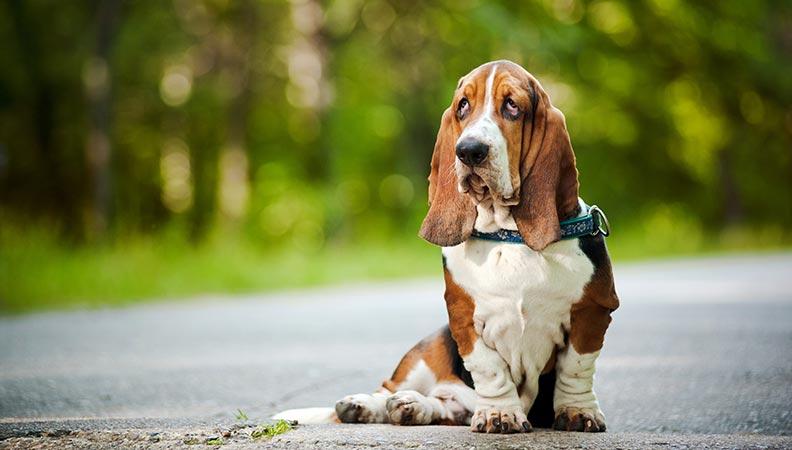
- Basset Hounds
- Cocker Spaniels
- Dachshunds
- French Bulldogs
- German Shepherds are also predisposed to the condition due to their low hips.
What are the Signs of IVDD in Dogs?
IVDD in dogs involves damage to the cushion (intervertebral disc) between two vertebrae, which may compress the spinal cord and cause serious neurological issues.
The symptoms of IVDD in dogs vary depending on the severity and location of the disc problem.
Early signs of IVDD in dogs include being less willing to jump, play with other dogs or climb stairs. They might yelp when picked up or be reluctant to move. In more severe cases, you might notice your dog dragging their hind limbs, having difficulty walking or being unable to move at all.
Some dogs may become completely paralysed behind the disc herniation and lose control of their bladder and bowels. Signs of IVDD in dogs can develop gradually or appear suddenly, and the symptoms are always dependent on the types of discs affected.
How Do Veterinary Surgeons Diagnose IVDD?
IVDD in dogs can only be diagnosed by a qualified veterinary surgeon. They'll first perform a thorough physical examination, focusing on your dog's neurological responses. This includes checking their ability to feel their toes, testing their coordination and walking, and assessing their pain levels.
To confirm the diagnosis of IVDD in dogs and identify the exact location of a herniated disc, your vet will likely recommend imaging tests.
An MRI is typically the most accurate method, as it can show the extent of damage to the disc, the amount of pressure on the spinal cord, and whether spinal surgery may be necessary. In cases with milder symptoms, a CT scan or X-ray may be used either in place of or in conjunction with an MRI scan.
It's important to understand that IVDD in dogs' symptoms, such as paralysis or spinal pain, are not definitive for diagnosis, as other conditions can present similarly. IVDD for dogs can develop gradually over time, especially in genetically predisposed breeds, or it can occur suddenly due to injury, often from jumping or falling.
What Treatment Options are Available?
IVDD in dogs' treatment depends on the severity of the condition. For mild cases, conservative management is often recommended, which includes strict rest for several weeks. This may include using a crate to ensure your dog rests completely and cannot injure themselves.
Anti-inflammatory medications and physical therapy can help reduce pain and support recovery. Your vet will recommend the most appropriate plan for your dog.
Some veterinary physical therapists have extensive experience with IVDD dogs, and your vet may be able to refer you to one in your area.
IVDD Surgery
In more severe cases of IVDD, especially when there's nerve damage or paralysis, IVDD surgery may be necessary.
An orthopaedic specialist typically performs this, so your dog may need to be referred to a specialist hospital if your local veterinary practice does not have a surgeon on-site. The goal of surgery is to relieve pressure on the spinal cord, often by removing disc material.
Common decompressive procedures for cases of IVDD include dorsal laminectomy, hemilaminectomy, partial pediculectomy, lateral corpectomy, and pediculectomy. These techniques vary depending on the type of disc, the location, and the extent of damage.
If your veterinary surgeon mentions these terms, they are referring to different approaches used to access and relieve pressure on the spine.
Because IVDD is a degenerative process, it's important to consider your dog's overall health and quality of life. If symptoms have developed gradually, if there's disc degeneration in other areas, or if your dog is elderly, it's worth discussing with your vet whether IVDD surgery is the most compassionate option.
How to Prevent IVDD in Dogs
IVDD cannot always be prevented, as some dogs are genetically predisposed. However, there are steps you can take to reduce risk by protecting your dog's spine and overall health.
Maintaining a healthy weight is essential for reducing strain on the spine. Using a harness instead of a neck collar, discouraging jumping from heights, and providing ramps for furniture can all help lower the risk of a spinal injury or a slipped disc.
If you suspect your dog may have IVDD, early veterinary advice is crucial. Starting anti-inflammatory medication promptly can help manage pain and reduce swelling, potentially preventing further damage. Supportive therapies that are covered by your Everypaw Dog Insurance, such as physiotherapy, can also be beneficial in promoting recovery and improving mobility.
What Can I Expect During Recovery?
IVDD is the most common canine spinal disease, but that doesn't mean recovery is always straightforward.
The process can be lengthy and challenging, depending on the severity of the condition and the chosen treatment plan. IVDD in dogs often requires several months of strict rest and physiotherapy before they can return to their usual routine
Your dog's ability to rest during recovery is important. If rest is likely to be difficult, especially for more active IVDD dog breeds like Cocker Spaniels, your vet may prescribe medication to help keep them calm and prevent further injury.
Regular check-ups with a vet are essential throughout recovery. These visits allow your vet to monitor your dog's clinical signs and adjust the treatment plan as needed. Proper care at home is also critical and may include providing soft, padded beds, consistent physiotherapy, pain relief, carrying your dog outside for toileting, and even hand feeding them if they're unable to reach their food bowl. These steps are all part of managing and supporting dogs with IVDD during their recovery.
Is IVDD in Dogs Fatal?
IVDD dog life expectancy is generally the same as any other dog, provided they're otherwise healthy, receive appropriate treatment, and recover well from surgery or conservative management.
Contact your vet immediately if you notice any sudden changes in your dog's mobility or signs of the spinal cord causing pain. Disc disease in dogs can develop gradually, and early intervention often leads to a better outcome.
Preventive care plays an important role, especially for breeds that are more prone to IVDD. Maintaining a healthy weight and avoiding activities that put unnecessary strain on the spine can help reduce the risk of back problems.
However, in some cases, IVDD may result from injury, and despite your best efforts, it may still occur - particularly in predisposed breeds. While not all cases are preventable, recognising the signs early and seeking veterinary care can significantly improve your dog's chances of a successful recovery.
Everypaw Dog Insurance
Everypaw's Dog Insurance comes with 24/7 unlimited access to vets and vet nurses that can help with your pet's health, care, nutrition and behaviour. So you can rest assured your pup will be well looked after.
Content provided from Vetstream's Vetlexicon Canis
Vetlexicon is the world’s largest peer-reviewed online clinical reference source. All our content is written and peer-reviewed by over 1,000 of the world’s leading veterinarians, ensuring relevance, accuracy and quality.
.
- Garosi L & Platt S (online) Spinal surgery: overview. In: Vetlexicon Canis. Vetstream Ltd, UK.
- Garosi L & Granger N (online) Spinal cord: compressive hydrated nucleus pulpous extrusions (HNPE). In: Vetlexicon Canis. Vetstream Ltd, UK.
- Braund K & Garosi L (online) Spinal cord diseases: overview. In: Vetlexicon Canis. Vetstream Ltd, UK.


